


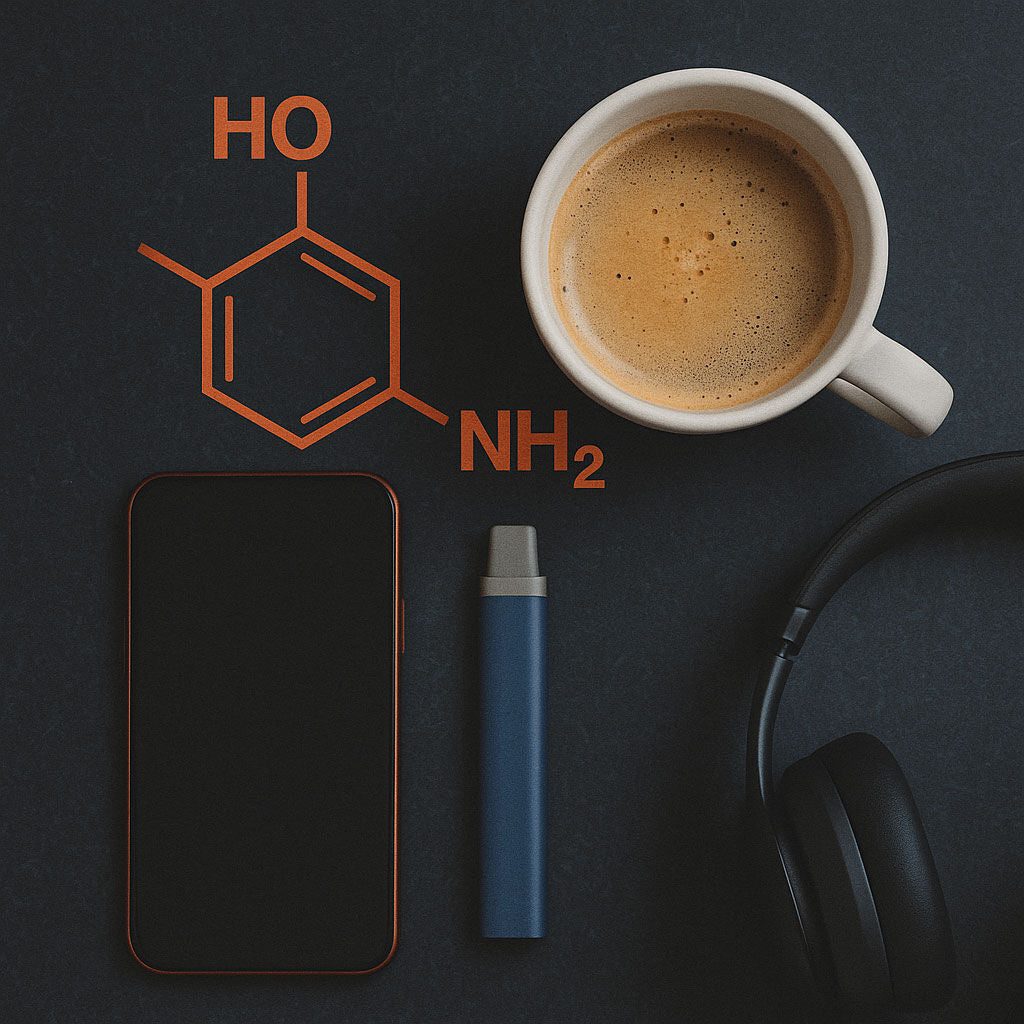
As the flavor lands, the throat settles, and the mind smooths out, you feel a sense of relief as you hit a vape. That sense of “ah-there it is” has a story behind it, and the story is nicotine and dopamine. Every draw talks to the brain’s reward system, training patterns that can feel automatic over time. Once you understand the dopamine loop, you can shape a routine that’s calmer, more intentional, and better matched to your goals.
The fast lane from inhale to reward
Nicotine moves quickly. It reaches the brain within seconds and binds to nicotinic acetylcholine receptors, activating circuits that light up dopamine release in the nucleus accumbens: the brain’s reward hub tied to learning and attention. Research has shown that direct infusions of nicotine into the nucleus accumbens raise extracellular dopamine in a dose-dependent way. That fast rise explains why relief feels immediate.
Over time, though, the brain adjusts with regular exposure, receptor density changes, and tolerance builds. A draw that once felt steady may fade quicker, leading to more frequent sessions to maintain the same effect. This is where withdrawal enters the picture. Most people find that withdrawal is strongest in the first few days, and symptoms often peak on day two or three before easing over the following weeks. That early turbulence is the brain’s chemistry recalibrating.
This cycle isn’t just about chasing pleasure. Dopamine’s role is to help the brain remember which actions predict relief or reward. When results are better than expected, dopamine surges as part of a “reward prediction error”. When results fall short, dopamine dips. Over time, this learning wires cues-your vape, the place you sit, even the time of day-into automatic prompts for action.
Why some setups feel smoother than others
The same strength doesn’t always feel the same across devices. Delivery speed, pH, and formulation all matter to the nicotine and dopamine loop. Nicotine salts were developed to smooth out the throat hit at higher strengths, which allows more substantial doses in compact, low-watt devices. A recent study found that different nicotine salt formulations change how strongly dopamine is released in the brain, explaining why one juice may feel calm while another feels sharp.
Device power also plays a role. Salts pair best with pods that keep wattage low; freebase formulas hold up better at higher outputs. Push a salt too hard in a sub-ohm setup, and instead of balance, you get harshness.
If you’re considering a change, our guide on choosing the right nicotine strength for your e-liquid lays out how to match strength to setup. That way, the dopamine lift feels steady rather than overwhelming.
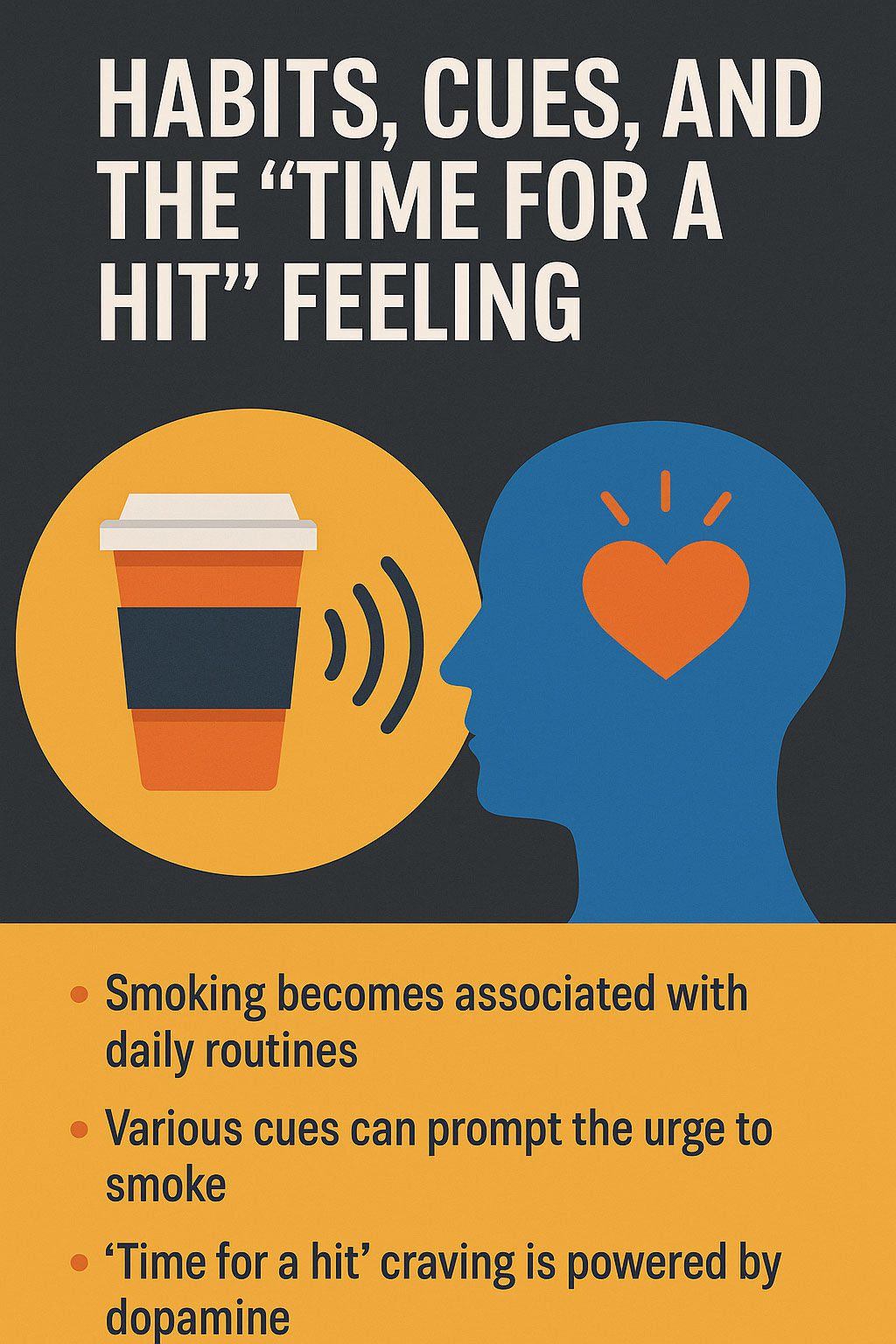
Habits, cues, and the “time for a hit” feeling
Cravings often arrive in patterns rather than random spikes. Whether it be your morning commute, work break, or relaxing on the patio, your brain tends to link these moments to expected relief. That’s nicotine and dopamine at work in the hippocampus and amygdala, tagging environments and routines with memory. The brain begins to anticipate the reward before nicotine even arrives, nudging you toward action.
This explains why cravings sometimes feel more about the situation than the actual need for nicotine. Shifting routines-even slightly-can reduce their pull. Changing where you sit, adding a glass of water before reaching for the device, or taking a short walk can weaken the cue-response loop.
If you’re curious how these cues translate into physical feedback, take a look at What Are The Side Effects of Vaping?. It details common body signals like dry mouth, dizziness, or headaches that show up when intake and environment aren’t balanced.
How tolerance deepens the cycle
Tolerance isn’t only about needing more nicotine to feel satisfied. It also changes how dopamine circuits fire. When receptors become less sensitive, baseline dopamine signaling can dip, leaving everyday experiences less rewarding without nicotine. That muted state reinforces the desire to top off, not for extra pleasure but to feel “normal.”
This is why heavy routines often feel hard to cut back from. The brain isn’t just asking for pleasure; it’s trying to fill a gap. Knowing that the gap will ease over the weeks makes it easier to push through the urge without panicking when things feel flat at first.
Building control with small, steady moves
Control is about matching experience to intention. The nicotine and dopamine system responds well to gradual adjustments:
-
Tighten your sessions to moments you enjoy most instead of letting them sprawl across the day.
-
Step down strength slowly, letting your brain adjust week by week.
-
Match device and liquid properly to avoid harsh spikes or underwhelming pulls.
For a detailed look at balancing volume, see Is Vaping 2ml (25 mg/ml) Nicotine Salt Per Day Too Much?. It breaks down how much feels sustainable and what might signal overuse.
The first week without a top-off
The early stretch feels loud because dopamine is trying to find its new baseline. For many, withdrawal symptoms like irritability, cravings, and disrupted sleep peak within the first few days. The Surgeon General notes that receptor changes and brain chemistry usually normalize in weeks, which explains why urges fade gradually.
A step-down approach often works better than stopping outright. Dropping strength in stages, shortening sessions, or switching to a lower-output device can ease the transition. Adding routines like exercise, hydration, and sleep hygiene also supports dopamine balance during this adjustment.
If you’re considering scaling down from high-strength salts, How to Stop Vaping on 5% nicotine? offers a roadmap that combines strategy with realistic expectations.
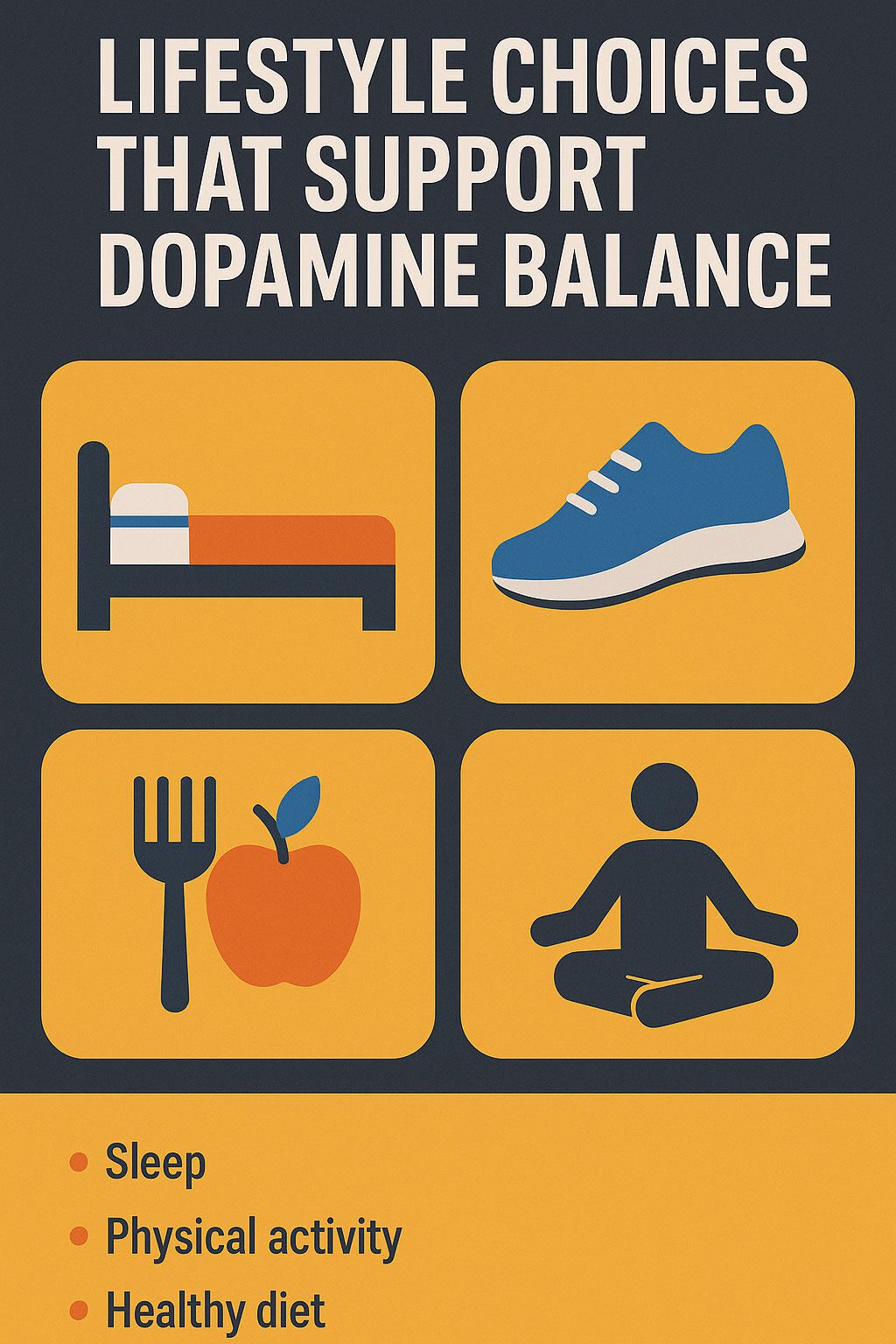
Lifestyle choices that support dopamine balance
Dopamine doesn’t only exist within your patterns. The way you sleep, your diet, and your physical activity all similarly reward your brain. A few simple notes can help:
-
Sleep: Regular bed and wake times stabilize dopamine cycles, making cravings less intense.
-
Nutrition: Balanced meals with steady carbs and protein prevent sharp energy dips that trigger urges.
-
Exercise: Even light daily activity boosts dopamine sensitivity, making satisfaction easier to achieve without constant nicotine hits.
When these supports are in place, the same session feels steadier and less urgent, because the rest of the system is balanced.
Why does the same hit feel different day to day?
A familiar setup can feel strong one morning and flat the next. Stress hormones, caffeine intake, and poor rest all change how dopamine fires. That variability shows how much context matters in the nicotine and dopamine story. To smooth the swings, build consistency around the basics: hydration, meals, and rest.
If you want to zoom out to the body as a whole, from lungs to circulation to brain, the broader explainer on how vaping affects you ties those pieces together. This article is just one slice of that bigger picture.
Putting the science to work
This isn’t about willpower alone. It’s about working with the brain instead of against it. Start by keeping the parts you already enjoy-flavors, rituals, social time. Adjust the friction points-harsh delivery, edgy strength, or autopilot habits. Swap environments when cues get too strong. Add tiny pauses to break loops.
Every small change helps the nicotine and dopamine system reset. With time, the brain adjusts, and satisfaction feels steadier and less like a chase.
